Zimbabwe’s corporate landscape is undergoing a significant transformation as key sectors address emerging risks and capital needs. The banking industry and the mining sector, pillars of the national economy, are taking distinct but complementary steps to ensure stability and growth in an increasingly complex global environment.
Banks Confront New Frontiers: AI, Cybercrime, and Climate
The Zimbabwean banking sector is shifting its strategic focus toward a more holistic definition of resilience. This was the central theme of a recent industry conference, which gathered financial leaders under the banner “The Resilient Bank: Orchestrating Growth through Intelligence, Ethics, and Purpose.” The event underscored the urgent need for financial institutions to navigate the converging threats of technological disruption, environmental changes, and evolving cybercrime tactics.
For too long, banks in the region have focused primarily on traditional credit and liquidity risks. However, the rapid advancement of artificial intelligence presents a double-edged sword. While AI offers opportunities for efficiency and personalized banking services, it also introduces sophisticated risks related to algorithmic bias, data security, and cyber-vulnerabilities. Simultaneously, climate change is no longer a distant concern but an immediate operational and financial risk, affecting everything from agricultural loan defaults to the physical stability of banking infrastructure.
Industry experts at the conference emphasized that resilience now requires an ethical framework. Banks must leverage technology not just for profit, but to build trust and serve communities sustainably. This “Intelligence, Ethics, and Purpose” model suggests a move away from purely transactional banking toward a role as active partners in economic and environmental stability.
Mining Sector Gains Momentum with Key Financing
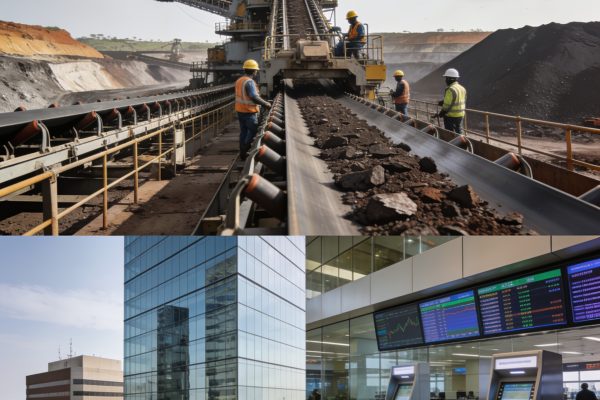
While banks prepare for a digital and ecological future, the mining sector continues to face traditional, yet critical, challenges related to capital access. In a significant development for the industry, Namib Minerals has secured a US$6.5 million loan facility. This financial injection is pivotal for the advancement of its Redwing project, a key asset in the company’s portfolio.
The facility was secured through Namib Minerals’ wholly owned subsidiary, Bulawayo Mining Company (Private) Limited. This strategic arrangement highlights the importance of local operational structures in attracting international or regional finance. According to company statements, the loan will not only fund the immediate development of the Redwing project but also strengthen the company’s overall liquidity and working capital position.
For Zimbabwe’s mining sector, which remains a major contributor to foreign currency earnings, such financing is a vital indicator of continued investor confidence. Securing working capital allows companies to maintain operations, service equipment, and scale production without being hampered by cash flow constraints. It also sets a precedent for other junior miners seeking similar avenues to unlock their projects’ potential.
The Intersection of Financial and Operational Resilience
The parallel developments in banking and mining illustrate a broader economic trend in Zimbabwe: the quest for stability through adaptability. Banks are adapting to new types of risks (AI, climate), while mining companies are navigating traditional financial hurdles to sustain growth. Both sectors recognize that resilience is not just about surviving shocks, but about strategically positioning for long-term sustainability.
As the banking industry integrates ethical technology and climate-aware risk management, it may become more adept at supporting sectors like mining, which require complex, long-term financing. Conversely, successful mining projects can bolster economic stability, providing banks with a stronger macro-environment to operate in.
These moves signal a maturing corporate sector in Zimbabwe, one that is increasingly aware of the interconnectedness of financial health, technological ethics, and environmental stewardship. For investors and consumers alike, this focus on structured resilience offers a cautious but promising outlook for the coming quarters.