Time-bound response enters a new phase
Harare — The Zimbabwe Gender Commission has begun a three-month campaign aimed at stopping intimate partner violence before disputes become crimes, injuries or deaths. The drive will run from October through December and is expected to merge with the global 16 Days of Activism Against Gender-Based Violence.
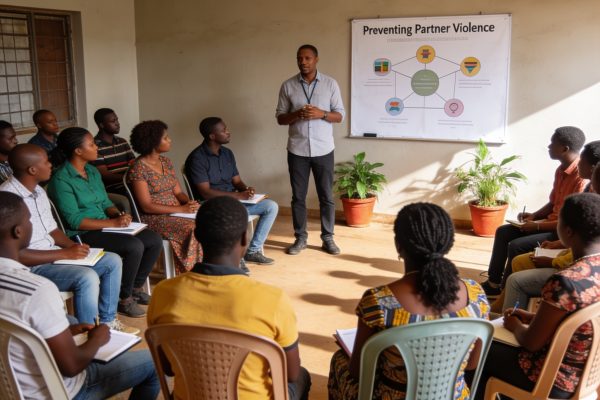
The initiative places prevention at its centre. Instead of waiting for survivors to appear at police stations or hospitals, regulators and partner groups want households, schools, workplaces, churches and traditional councils to recognise early danger signs and route people to support.
Commission chairperson Leslie Ncube said the objective is to shift focus from responding after harm occurs to catching it earlier through awareness, counselling and stronger public coordination.
What the data reveals
Police records show the scale of the problem: about 13,800 cases of sexual offences and serious domestic violence were reported in 2024. Some of these reports involved grievous bodily harm, murder and suicide, according to the commission.
Survey evidence adds to the concern. The 2023-24 Zimbabwe Demographic and Health Survey found that around one in four women aged 15 to 49 had experienced physical violence, while roughly one in eleven had experienced sexual violence. Officials believe the visible numbers still underestimate the full burden because fear, stigma, economic dependence and shame keep many incidents unrecorded.
Why men, boys and workplaces are central
The campaign is explicitly asking men and boys to participate in prevention. While women and girls carry most of the harm, officials note that men and boys can also be affected, and social expectations often discourage them from seeking help or speaking publicly.
Employers are being encouraged to develop support systems that allow workers to ask for assistance without risking their jobs. Religious and traditional leaders are asked to challenge harmful practices, not just comfort survivors after the fact. The aim is to create a chain of accountability across the places where violence is most likely to hide.
Money and the 2030 target
Another priority is financing. The commission wants Zimbabwe to reduce reliance on donor money and build domestic budget lines for prevention, survivor support, early warning systems and institutional response. This is linked to Zimbabwe’s broader national commitment to curb gender-based violence and related harms by 2030.
The campaign’s practical test will come after December: whether reporting mechanisms become faster, shelters receive steady funding, schools teach conflict resolution, and local institutions treat abuse as a public health and safety issue rather than a private matter.