Health sector recruitment has come under fresh scrutiny after ZANU PF officials in Masvingo resolved to press for a guaranteed share of nurse training places at hospitals nationwide, arguing that the ruling party should control a quarter of all intakes.
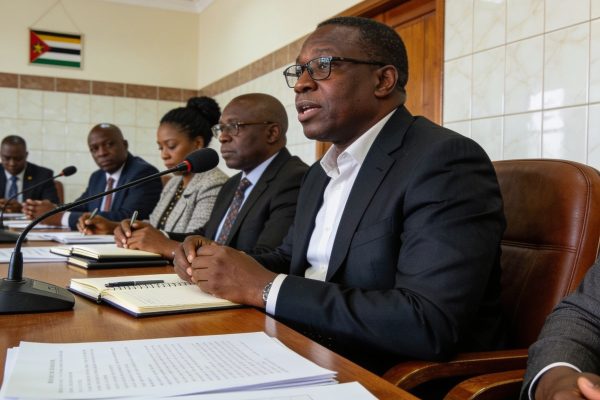
The demand was raised during a Joint Provincial Council meeting held in Masvingo on Thursday, chaired by provincial chairperson Rabson Mavhenyengwa. According to party officials who spoke at the gathering, the proposed allocation should be channelled through ZANU PF Members of Parliament, meaning applicants would need a political referral to stand a chance of being considered.
An existing formula already under question
Nurse training places in Zimbabwe are not awarded through a single national examination. Instead, they are distributed according to a long-standing allocation framework that has been in force since 2011. Under that arrangement, ten percent of places go to the authority running the training hospital, twenty percent to the district hosting the school, ten percent to the Minister of State for Provincial Affairs, ten percent to the Provincial Medical Director, thirty percent to applicants from other districts or provinces, and twenty percent is kept by the Ministry of Health and Childcare.
Critics of the system say it is already deeply exposed to political influence, with ordinary applicants frequently squeezed out. The Masvingo proposal would formalise that influence by carving out an additional bloc of places specifically for the ruling party.
Provincial health chief says selection is not his to make
Provincial Medical Director Dr Amadeus Shamhu was summoned to the meeting, along with other provincial heads including Secretary for Provincial Affairs Dr Addmore Pazvakavambwa. Shamhu told the gathering that he has no authority over who is selected for nurse training, explaining that the process sits with the Health Services Commission.
His explanation did not dampen the push. ZANU PF provincial secretary for health Dr Tapiwa Murambi, a medical doctor based in Chivi, told Shamhu to raise the matter with Health and Childcare Minister Douglas Mombeshora through government channels, while promising to pursue it through party structures.
Murambi noted that the allocation formula dates back more than a decade and that provincial health officials have limited say over its application. He said his position as the party’s provincial health secretary gave him a direct line to the minister, whom he described as a former Politburo health secretary.
Masvingo South legislator Tanatsiwa Mukomberi was among the most vocal backers of the quota, according to accounts of the meeting. The council ultimately resolved to formally approach the Ministry of Health and Childcare to table the request.
Stands and training places in the same resolution
The nurse training quota was not the only demand tabled. Officials also called for a set proportion of residential stands in the province to be set aside for the party, folding housing allocation into the same set of resolutions.
The proposals reflect a broader pattern in which party structures seek a direct stake in the distribution of public opportunities — from land and housing to training placements that lead to formal employment.
Pressure already pushing trainees across the border
Access to nursing school has become one of the most contested pathways in Zimbabwe. Competition for places is intense, and reports indicate that applicants have been asked to pay sums in the region of US$1,200 to intermediaries, with the money shared among those involved in the selection chain.
The difficulty of securing a place at home has driven thousands of aspiring nurses to enrol in Zambia, where training institutions have absorbed a growing number of Zimbabwean students. The exodus represents both a loss of talent and a drain on families who fund expensive foreign tuition.
For patients, the stakes are practical. Zimbabwe’s health system continues to operate with thin staffing at many facilities, and the country’s nursing workforce has been depleted by emigration to the United Kingdom, Australia and other destinations. How training places are allocated therefore shapes not only individual careers but the capacity of clinics and hospitals to function.
Questions the ministry now faces
The resolution places the Ministry of Health and Childcare in an uncomfortable position. Granting a party quota would mark an explicit political test for entry into a regulated profession and would likely draw objections from professional bodies concerned about merit and patient safety.
Refusing the request, on the other hand, would put the ministry at odds with influential party structures in Masvingo at a time when provincial officials have made clear they intend to keep pressing the matter at both government and party level.
For now, no formal response has been issued on whether the allocation formula will be reopened. What is certain is that the recruitment of Zimbabwe’s next generation of nurses has become a political question as much as a medical one.