The Meteorological Services Department (MSD) has issued a stark warning for the upcoming 2026/27 summer season, predicting a hotter and drier period across Zimbabwe. The national climate outlook, released on Friday, 11 September 2026, indicates a high probability of below-normal rainfall from October 2026 to March 2027.
The forecast attributes the dry conditions to the persistence of the El Niño-Southern Oscillation (ENSO) in its warm phase, coupled with a positive Indian Ocean Dipole (IOD) expected to last until January 2027. These oceanic and atmospheric drivers collectively increase the likelihood of reduced rainfall nationwide.
According to the MSD, the October–December 2026 period is expected to see below-normal rainfall across the country, while January–March 2027 may bring normal to below-normal totals, with the southern and western regions slightly wetter than the rest. However, the onset of the rainy season is projected to be highly erratic, with a significant portion of the country likely experiencing no effective start to the season. Historical analogue years such as 2023/24 and 2015/16, which saw widespread onset failures, have been cited as references.
Warmer than normal conditions are expected to prevail during the first three months of the season, adding to the risk of heat stress and increased evaporation. The MSD also warns that despite the overall dry signal, the atmosphere’s excess heat can trigger violent storms, leading to flash floods, strong winds, and lightning strikes.
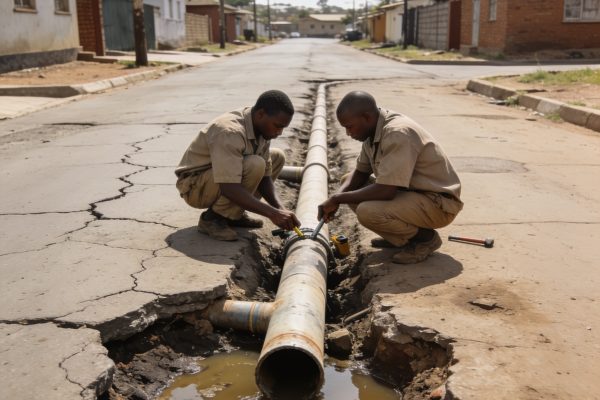
To mitigate the impact, the department advises proactive measures including water harvesting, irrigation planning, drainage maintenance, and enhanced public health preparedness. Farmers are encouraged to adopt drought-resistant crops and adjust planting schedules based on short-term forecasts. The MSD emphasises that seasonal forecasts are planning tools and should be complemented with continuous monitoring of short-term weather updates.
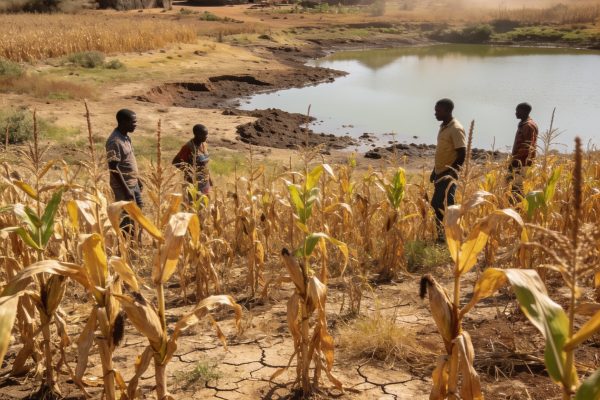
With agriculture being a cornerstone of Zimbabwe’s economy, the predicted dry spell could have far-reaching consequences for food security and livelihoods. Authorities and communities are urged to collaborate in implementing resilience strategies to navigate the challenging season ahead.