Zimbabwe Opens October With Mourning, Accountability and Development Pressures
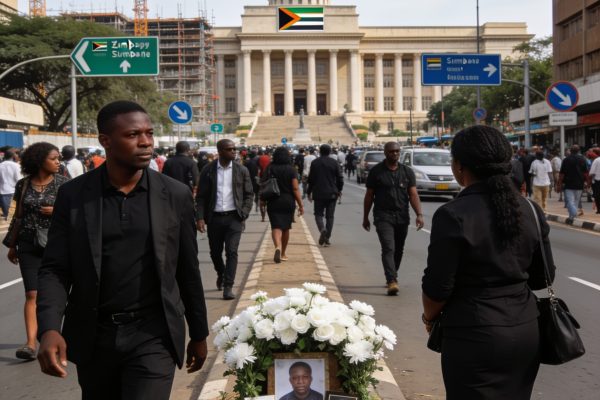
Harare, 2 October 2026 – Zimbabwe began the week with a mixture of grief and scrutiny after a helicopter crash killed businessman Wicknell Chivayo, his wife Lucy Muteke, two pilots and an aide in Mashonaland East. The deaths have drawn statements from political leaders, musicians and civic commentators, while also reviving debate about wealth, procurement and access to power.
For Harare readers, the moment is more than a story about a fatal accident involving a high-profile entrepreneur. It is also a test of whether national mourning, forensic work, political communication and institutional accountability can proceed with transparency, dignity and factual clarity.
Crash Facts Still Need Verification
Descriptions from the crash scene point to a difficult recovery operation, scattered wreckage, communication gaps and families waiting for reliable updates. One security aide who travelled in a separate aircraft has said five people were on the helicopter that crashed, while earlier police information indicated six. Such discrepancies must be settled through official aviation, medical and forensic processes rather than through unverified social media claims.
Identity procedures, including DNA testing where needed, will help confirm remains and protect families from further confusion. At this stage, the public interest lies in patience, accuracy and support for the investigation.
Presidential Tribute Raises Questions About Political Proximity
President Emmerson Mnangagwa expressed deep shock over the loss and described Chivayo as a philanthropist and entrepreneur whose ambitions extended beyond his own family to Zimbabwe, the southern African region and the continent. The statement said the couple had been returning from a rural construction project linked to national rural development goals and that Chivayo had shared plans with him after a Cabinet meeting the day before the crash.
Those remarks place the tragedy within a wider national conversation about the relationship between private wealth, public procurement and political access. Chivayo was a polarising figure: supporters highlighted charitable gestures and entertainment spending, critics raised questions about tender links and influence, and allegations of patronage were widely discussed without final judicial findings. His death does not resolve those matters, but it increases pressure for clearer records, transparent procurement and stronger checks on concentrated private influence.
Music and Events Circle React
Chimurenga artist Thomas Mapfumo and The Blacks Unlimited issued a message of sympathy for the bereaved families and confirmed that their contractual involvement in a postponed wedding celebration would still be honoured once a new date is set. The reference to a high-profile cultural event shows how the crash has also disrupted entertainment plans, sponsorship commitments and social obligations tied to Chivayo’s network.
For artists, event workers and audiences, the episode illustrates how private patronage can shape public culture. It also raises practical questions about contracts, insurance, payment guarantees and the role of professional institutions when a major sponsor dies.
Local Governance Faces Separate Stress Tests
The national tragedy is unfolding alongside other governance issues that affect Harare, Bulawayo, Victoria Falls and other towns. In Victoria Falls, a motion seeking to remove the mayor from office has surfaced complaints about misconduct, incompetence and legal breaches. Such disputes are not only political theatre; they involve service delivery, civic trust and the conduct of elected leaders.
In Bulawayo, city officials have warned residents against buying residential stands promoted as part of a smart-city scheme in Cowdray Park and other suburbs, saying no such development is currently recognised. That warning is important in a property market where informal land deals, digital marketing and urgent housing demand can quickly turn into financial loss.
Development Debate Moves From Raw Growth to Processing and Research
Agriculture officials have also urged farmers to avoid remaining stuck as raw commodity sellers. The advice encourages produce aggregation, value addition, better storage, processing links and stronger positions in supply chains. The broader message is that harvests should translate into more jobs, more revenue and less dependence on seasonal sales.
Universities and technology advocates are promoting a similar shift. Midlands State University officials have said research should not stay trapped in papers and laboratories but should support industry, agriculture, health and public services. At the same time, experts argue that artificial intelligence should move beyond classroom projects and become useful in manufacturing, logistics, farming, education and government systems. These ambitions are promising, but they need funding, infrastructure, data policy, training and measurable projects before they become real economic gains.
Safety Concerns Range From Border Waterways to Rural Livestock
Border security and livelihood risks were also part of the week’s news. International migration bodies have warned that Lake Kariba’s limited maritime oversight can make it an attractive transit point for smugglers and trafficking networks, especially when criminals use technology and route changes to evade detection. The warning matters for communities near the lake, migrant families and regional law-enforcement cooperation.
The Presidency has indicated that draft laws will aim to target criminal networks that recruit Zimbabweans through illusory overseas employment offers. This is a practical concern for families in Harare and smaller towns, where dreams of foreign work can become debt, abuse or exposure to conflict-zone violence.
Environmental and rural safety issues are equally urgent. Matabeleland South has recorded a sharp rise in veld fires this year, raising fears for crops, livestock, homes and conservation land. In Chiredzi, farmers are using low-cost methods, including painted eye patterns on livestock, to reduce predator attacks. These local measures show resilience, but they cannot replace broader wildlife conflict policy, compensation frameworks, climate adaptation and predator management.
Cross-Border Procurement and Gender-Based Violence Standards
The news cycle also reached beyond Zimbabwe. South African transport authorities have placed contracts linked to businessman Lawrence Mudzinganyama under review after a viral video showing threats against women led to criminal proceedings and widened charges. If the review produces stricter procurement screening, it could influence tendering expectations across the region.
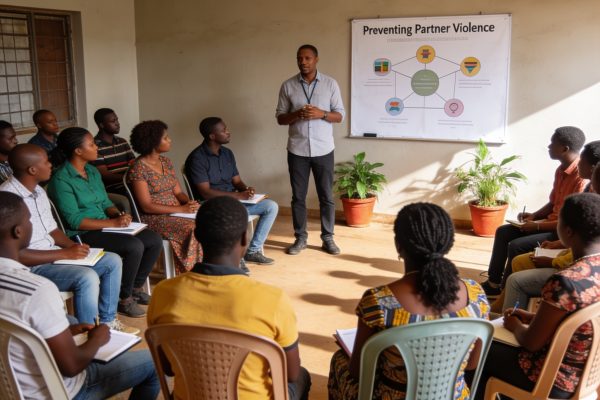
For Zimbabwe, the case reinforces an important standard: commercial opportunities, political reputation and social conduct should not be treated separately. A contract review in one country can affect cross-border business confidence, legal compliance and regulatory expectations.
What Zimbabweans Should Watch Next
Several questions will shape public understanding as October continues. Investigators must clarify the aircraft occupancy, weather details and flight communication record while families receive accurate updates. Public institutions should also ensure that condolences do not blur unresolved accountability issues or turn personal mourning into a shield for political scrutiny.
Local councils need to handle land fraud warnings, leadership disputes and procurement complaints with openness and legal consistency. Meanwhile, the development conversation around agriculture, artificial intelligence, universities and climate safety must move from speeches to funded projects, skills pipelines and measurable industrial output.
Zimbabwe’s public life is still shaped by the power of personal connections and visible wealth. This week’s blend of tragedy, tribute, scandal risk and policy advocacy makes one point clear: the country needs stronger institutions so that grief, growth and governance do not depend on one individual’s money, access or influence.