All eyes are on Mount Hampden as President Emmerson Mnangagwa prepares to deliver the 2026 State of the Nation Address (SONA) and officially open the Fourth Session of the 10th Parliament. This speech serves not just as a ceremonial tradition, but as a critical roadmap for the nation during a period of significant legislative and environmental transition.
The Post-CAA3 Landscape
A central theme of this session is the aftermath of the recently passed Constitution of Zimbabwe Amendment (No. 3) Act, 2026 (CAA3). With the amendment now law—despite a pending Constitutional Court challenge—the President is expected to outline how the government will align existing laws with the new constitutional framework. This includes necessary amendments to the Electoral Act and other governance legislation to accommodate changes such as the extension of terms and the adjustment of senatorial seats.
Combating the Super El Niño Threat
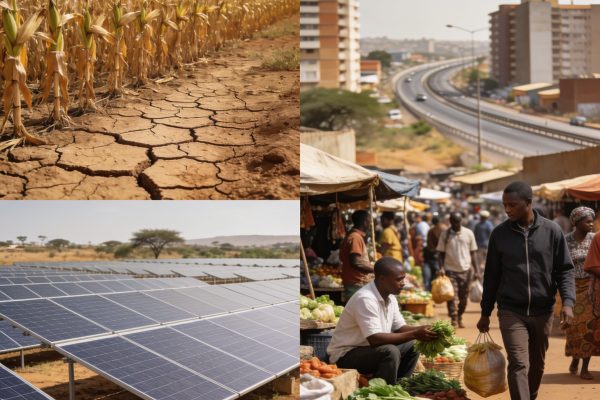
Perhaps the most urgent practical matter is the looming threat of a Super El Niño. With warnings of severe drought, the government has accelerated preparations for a nationwide cloud-seeding program commencing on November 1. In his address, President Mnangagwa is expected to emphasize climate-smart agriculture and infrastructure resilience. Recent data indicates a 64.5 percent jump in Zimbabwe’s trade surplus to US$526.5 million in August, driven by a surge in exports. However, the sustainability of this economic momentum is heavily tied to agricultural performance in the coming season.
Health and Social Priorities
The health sector remains a cornerstone of the agenda. Members of Parliament are pushing to expand the National AIDS Council (NAC) into a broader National Health Council to better manage health levies and taxes. Furthermore, the recent arrival of 23,000 doses of lenacapavir highlights Zimbabwe’s continued efforts to sustain HIV response gains amidst funding disruptions. Vice President Dr. Kembo Mohadi has also called for increased investment in drug rehabilitation centers to safeguard families from the rising tide of substance abuse among the youth.
Infrastructure and Governance
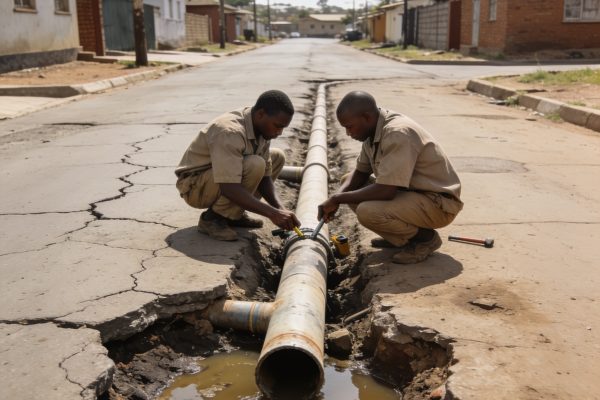
Infrastructure projects continue to take center stage, with a focus on the National Development Strategy 2 (NDS2) transition. There are ongoing efforts to clear backlogs at the National Railways of Zimbabwe (NRZ) and modernize equipment to boost freight capacity. Additionally, the local government sector is under scrutiny to translate clean-up drives and budget consultations into tangible service delivery improvements.
As the President sets the tone for the Fourth Session, the nation awaits clarity on how legislative reforms, climate mitigation, and economic stability will be harmonized to achieve the vision of a prosperous 2030.