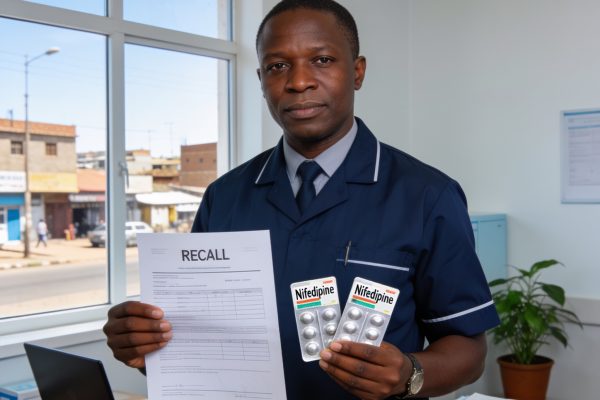
The Ministry of Health and Child Care has confirmed a recall of two batches of Nifedipine 10mg tablets, a widely prescribed medication for high blood pressure and certain heart conditions. The recall follows quality testing that showed the tablets no longer met required standards.
In a statement issued on 12 September 2026, the Ministry said the Medicines Control Authority of Zimbabwe (MCAZ) ordered the recall as part of its routine post-market surveillance. The affected batches are 112033 and 117367, both manufactured by Remedica Ltd, a pharmaceutical company based in Cyprus.
Why the recall was issued
MCAZ classified the recall as a Class Two recall, which extends to retail level. This means pharmacies and health facilities must withdraw the affected stock, and patients who already have the medicine should stop using it and return it to their nearest pharmacy or health facility.
The recall follows confirmed out-of-specification results during stability testing. Nifedipine is used to manage hypertension and related heart conditions, so using substandard medication could pose health risks.
Other medicines flagged
The same testing round also identified quality issues with Levodopa/Carbidopa tablets, also manufactured by Remedica. These tablets are used in the treatment of Parkinson’s disease and Parkinsonism. Patients using these medicines should also check the batch numbers and contact their healthcare provider if concerned.
What patients should do
The Ministry urges all patients taking Nifedipine 10mg to check the batch number on their medication packaging. If the batch number matches 112033 or 117367, they should stop taking the tablets and return them to the pharmacy or health facility where they were obtained. Patients should consult their doctor or pharmacist for alternative treatment options and not stop medication without professional guidance.
Health authorities continue to monitor the quality of medicines on the market to protect public safety. This recall demonstrates the importance of routine quality checks in safeguarding Zimbabweans from substandard drugs.