
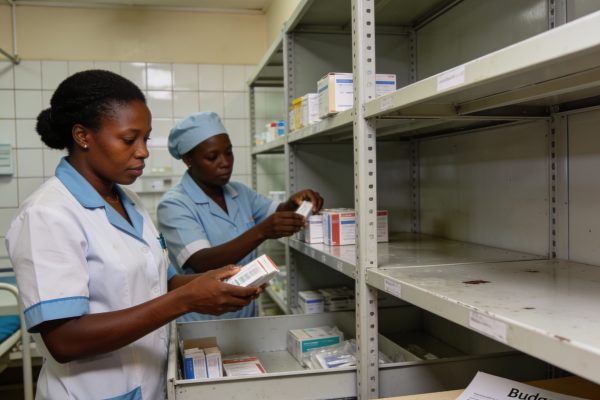
Zimbabwe is losing millions of dollars annually as unscrupulous health workers steal medicines and hospital supplies intended for public patients and resell them to private pharmacies, a senior government official has revealed.
Health and Child Care Deputy Minister Sleiman Kwidini made the admission while responding to questions in the National Assembly. He confirmed the long-suspected pilferage, noting that the thefts are worsening drug shortages in public health institutions and denying patients access to essential treatment.
The issue was raised by Gutu South MP Pupurai Togarepi, who demanded to know whether there were control mechanisms to ensure that medicines bought by the government benefit patients rather than ending up on the shelves of private pharmacies. Kwidini acknowledged the problem, stating that after purchasing medication, some staff steal from hospitals to stock their own pharmacies.
“The President, Dr. E.D. Mnangagwa, has said those who steal should be arrested,” Kwidini said, echoing the Head of State’s tough stance on corruption. He warned that perpetrators would face prosecution under the law.
To curb the leakages, the Ministry of Health has engaged a company to install a tracking system that will monitor the movement of medicines from the National Pharmaceutical Company (NatPharm) to hospitals and pharmacies. The deputy minister expressed confidence that the new system would protect medication in hospitals and ensure accountability.
The deputy minister also addressed the broader challenge of medicine availability, acknowledging that public hospitals currently lack a full range of drugs. He said the government is working on public-private partnerships to subsidise imported medicines and support local manufacturers to produce affordable drugs for common ailments.
Citizens Coalition for Change MP Blessing Makamure had raised the original question, lamenting that residents are often given prescriptions but forced to buy medication from private pharmacies due to shortages in government facilities. Kwidini conceded that access to medication remains a challenge but said efforts are underway to establish partnerships with local producers to ensure a steady supply.
The revelations come as Zimbabwe’s health sector grapples with resource constraints and staff shortages, with patients bearing the brunt of corruption and mismanagement. The government’s pledge to crack down on theft and improve supply chains offers a glimmer of hope, but many will be watching to see if the tracking system and partnerships deliver tangible results.